wellness
Bangalore's Rising Heat Demands More Water Than You Think Daily
As the city's dry season stretches longer and urban heat islands push temperatures past historical norms, getting hydration right has become a year-round discipline, not a summer afterthought.
How we reported this
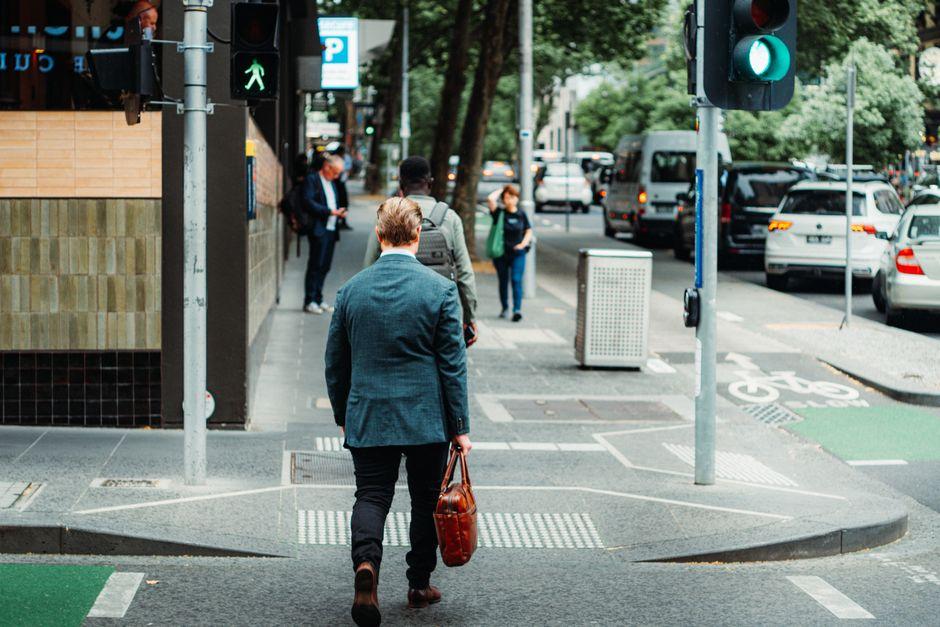
Bangalore hit 37.2°C on June 18 this year, a figure that would have been unusual for a city long marketed on its mild, garden-city climate. The Karnataka State Natural Disaster Monitoring Centre has flagged repeated heat-stress alerts across the Bruhat Bengaluru Mahanagara Palike jurisdiction since April. For the city's roughly 13 million residents, that shift has made the old rule of thumb, eight glasses a day, dangerously inadequate for many people moving through Bangalore's streets, construction sites and offices.
The monsoon arrived late over the Deccan plateau this year, leaving a longer-than-usual dry stretch across neighbourhoods like Whitefield, Electronic City and the densely built corridors around Silk Board Junction. Urban heat retention in these zones, where concrete and asphalt absorb and radiate heat well into the evening, creates microclimates several degrees hotter than Lalbagh or Cubbon Park, where tree cover still moderates temperature. The practical consequence: a person commuting by two-wheeler on Outer Ring Road at noon is losing fluid at a rate that indoor workers in air-conditioned Koramangala offices simply are not.
What the Body Needs, and When
Sports medicine professionals generally recommend that adults in hot, humid climates aim for between 2.5 and 3.5 litres of fluid daily, with that ceiling rising sharply for outdoor workers, athletes or anyone running a fever. The key word is fluid, not water exclusively. Electrolytes, sodium, potassium, magnesium, are lost through sweat and need replacement, particularly during activity lasting more than 45 minutes. Plain water alone cannot restore electrolyte balance after significant exertion, which is why rehydration sachets sold under brands like Electral remain a staple at pharmacies along Commercial Street and Brigade Road.
Tender coconut water, widely available from vendors outside Jayanagar 4th Block Market and along Bannerghatta Road, costs between ₹40 and ₹60 per nut as of July 2026 and provides roughly 250ml of fluid with naturally occurring potassium and sodium. It is not a complete electrolyte replacement for heavy physical labour, but for moderate outdoor activity it performs well. Buttermilk, chaas, served at Darshinis across Basavanagudi and Malleswaram for as little as ₹15 a glass, offers similar benefits alongside the gut-supporting bacteria from curd fermentation.
What to avoid is as important as what to drink. Caffeinated drinks, filter coffee is essentially the city's civic religion, served in stainless steel tumblers from Brahmin's Coffee Bar in Basavanagudi to the dozens of third-wave cafés lining Indiranagar's 100 Feet Road, do not dehydrate you as dramatically as once claimed, but they do carry a mild diuretic effect. The practical guidance from most registered dietitians is to match every cup of coffee or tea with an equivalent volume of water, not to eliminate either entirely. Sugary packaged juices and carbonated drinks supply calories with limited hydration benefit and can spike blood sugar in a way that counterproductive during sustained heat exposure.
Reading Your Own Signals in Bangalore's Climate
Thirst is a lagging indicator. By the time the body registers thirst clearly, mild dehydration has already set in. Urine colour is a more reliable guide: pale straw yellow indicates adequate hydration; anything darker than apple juice signals a deficit. Headaches, reduced concentration and fatigue, symptoms that many Bangaloreans attribute to long work hours or traffic stress, are frequently dehydration presenting in disguise.
Practical scheduling helps. Drinking 500ml of water before leaving home in the morning, carrying a 1-litre stainless steel bottle (available at stores on Chickpet for under ₹200), and refilling it at least twice before evening is a workable baseline for a desk worker. Construction workers, delivery riders and others working outdoors in areas like Hebbal or the Devanahalli corridor near Kempegowda International Airport should target closer to 4-5 litres across a working day, ideally with at least one electrolyte-containing drink.
The BBMP and Karnataka health departments have run summer hydration camps in previous years at primary health centres across the city. Anyone experiencing persistent dizziness, confusion or stopping sweating despite heat should treat that as a medical emergency and get to a nearby government or private clinic immediately, not a situation to manage with home remedies. For personalised guidance on fluid intake, particularly for people with kidney conditions or heart disease, a registered dietitian or physician at a Bangalore-based outpatient clinic is the right first call.