Politics
Bangalore Revamps Transport Policy, Reshaping Public Transit and Road Funding
The new transport policy review outlines shifts in Bangalore’s public transit and road projects, affecting daily commutes and local infrastructure investments.
How we reported this
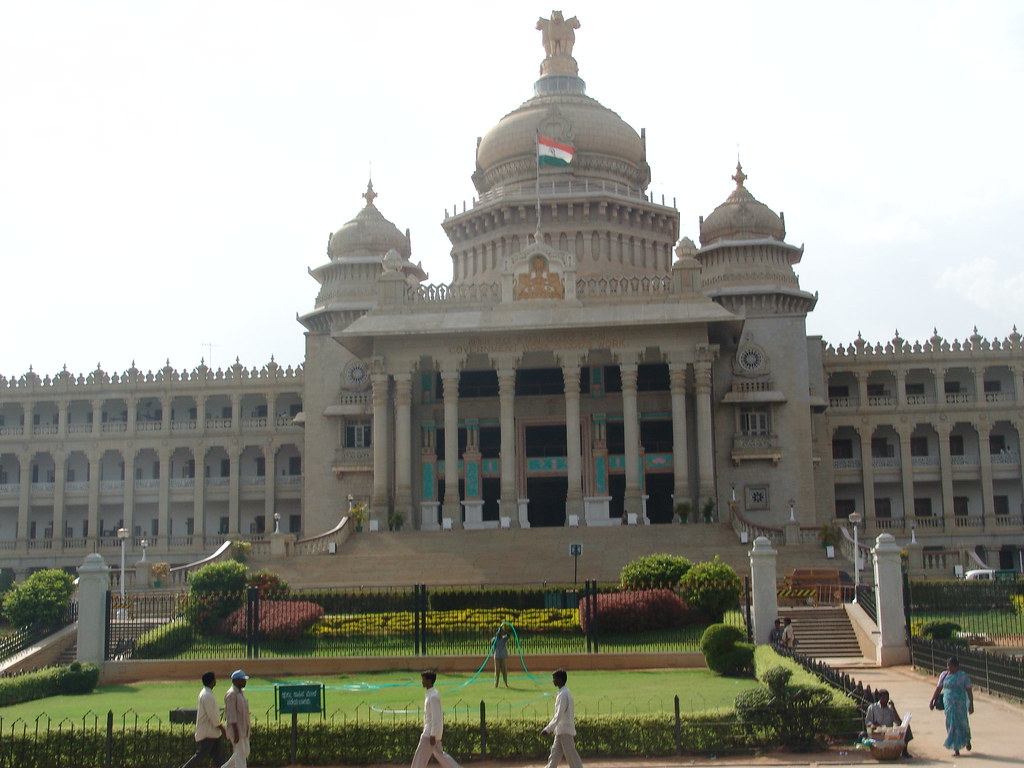
The Karnataka state government has released a comprehensive review of Bangalore’s transport policy aimed at updating city infrastructure, public transit services, and traffic management approaches. The review affects millions of daily commuters, local business owners, and residents by outlining new priorities for expanding metro lines, enhancing bus service frequency, and increasing funds for road maintenance over the next five years.
This policy review comes amid rapid urban growth and increasing congestion in Bangalore, which is India’s third most populous city and a major IT hub. With an estimated population exceeding 12 million in the metropolitan area, managing transport demand and reducing pollution have become urgent challenges facing local and regional authorities. The review addresses the need to integrate multiple transport modes and to improve accessibility across Bangalore’s diverse neighborhoods.
Implications for Bangalore Residents' Daily Commutes
One of the key outcomes of the review is the projected expansion of the Bangalore Metro Rail Corporation Limited’s (BMRCL) network by 40 kilometers of new lines within the city limits, expected to be operational by 2030. This expansion aims to cut average commute times for residents living in the city’s eastern and northern suburbs by up to 25%, according to the official policy document. Additionally, the review recommends a 15% increase in the frequency of existing BMTC (Bangalore Metropolitan Transport Corporation) bus services during peak hours to ease crowding.
Residents can also expect updated traffic management protocols, with increased investment in smart traffic signals and pedestrian crossing safety, particularly in busy commercial districts such as Koramangala and Indiranagar. The review highlights that an estimated 60% of Bangalore’s road accidents occur near congested intersections, and these upgrades aim to reduce such incidents and improve pedestrian safety.
Budget Allocation and Comparative Data
The policy document specifies a total transport infrastructure investment of approximately 18,500 crore INR over the next five years, prioritizing public transit expansion and road quality improvements. This amount represents a 12% increase over the previous five-year period. When compared to transport policy reviews from similar metropolitan regions like Hyderabad and Pune, Bangalore’s proposed investment is proportionate to its population size but allocates a slightly larger share towards metro development, reflecting Bangalore’s current reliance on rail-based transit for longer commutes.
The review also references key performance metrics, noting that Bangalore’s average bus occupancy rates reach 95% during peak periods, signaling high demand. Policy analysts say this justifies the added funding toward public bus fleet upgrades, including plans to introduce 500 new electric buses by 2028 to reduce urban emissions. The document cites research showing electric buses reduce city-wide particulate matter levels by up to 30% compared to diesel fleets.
Looking ahead, the state government will initiate public consultations starting in August 2026 to gather resident feedback on specific projects, followed by tendering processes to award contracts for metro expansion and bus procurement by early 2027. Policy documents state that regular progress reports will be published annually to ensure transparency and community engagement. Residents are encouraged to participate in upcoming forums to voice their priorities and concerns about transport accessibility and service quality.