news
Bangalore Faces Critical Building Safety Challenges: What Residents Must Know
A look at the community safety landscape in Bangalore and the factors leading to today’s conditions.
How we reported this
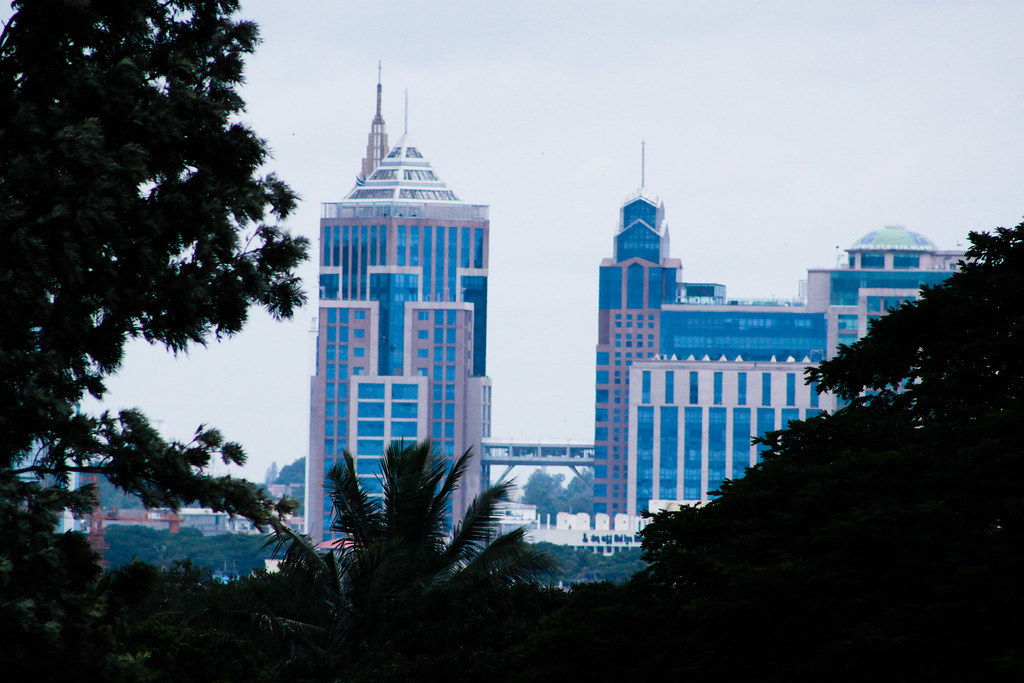
Bangalore’s residents have expressed growing concerns about community safety, reflecting broader questions about how the city's infrastructure and public services have evolved. Though the city has seen rapid urban growth, the challenges around safety stem from complex, long-standing developments in governance and city planning.
Why This Matters Today
The issue of safety has risen in prominence amid recent national and local conversations about public security and emergency preparedness. With the city's expanding population and densification, how Bangalore manages risks related to fire, crime, and emergency response is becoming increasingly critical. The lessons from recent tragic incidents elsewhere, such as the fire at a Bangkok bar that killed 28 people, serve as stark reminders of the consequences when safety systems fail or are overstretched.
Context and Local Reality
Bangalore's municipal agencies and citizen groups have long grappled with gaps in safety infrastructure. The city’s fire services, distributed unevenly across neighborhoods, sometimes face challenges reaching locations quickly due to traffic congestion and inadequate road access. Localities like Koramangala and Whitefield, which have witnessed extensive commercial and residential development in the last decade, illustrate these difficulties, where narrow streets and high-density occupancy can complicate evacuation procedures.
In parallel, community policing efforts and neighborhood watch programs have sought to enhance security perceptions, but they operate within the constraints of resource availability and coordination among different law enforcement bodies. Voluntary organizations contribute to creating awareness about disaster preparedness, but the absence of comprehensive, regular drills and standardized safety audits across public spaces remains a barrier to readiness.
Although there are growing concerns, there is little formal, up-to-date quantitative data publicly available detailing Bangalore’s exact safety performance metrics, making it difficult to measure progress or identify priority areas with precision. Qualitative reports and anecdotal evidence suggest that while some parts of the city benefit from effective safety arrangements, others remain vulnerable, particularly in rapidly developing fringe areas.
City authorities have recognized these issues and initiated discussions aimed at addressing systemic weaknesses. These involve improving coordination among fire, health, and law enforcement agencies, upgrading infrastructure, and enhancing public education campaigns. However, sustained investment and policy attention are crucial for meaningful improvements.
For Bangalore’s residents, understanding the background to the current safety environment can inform how they engage with local initiatives and advocate for stronger protections. Remaining vigilant, participating in community safety groups, and supporting calls for transparent reporting are practical ways for citizens to contribute. Meanwhile, policymakers must ensure that lessons from recent domestic and international incidents translate into concrete action plans focused on Bangalore’s unique urban landscape.