news
Bangalore's Digital Property System Faces Massive Backlog Crisis
A backlog of duplicate and mismatched property images in the city's digital cadastral system has forced a reckoning that will reshape how millions of Bangaloreans prove ownership of their homes.
How we reported this
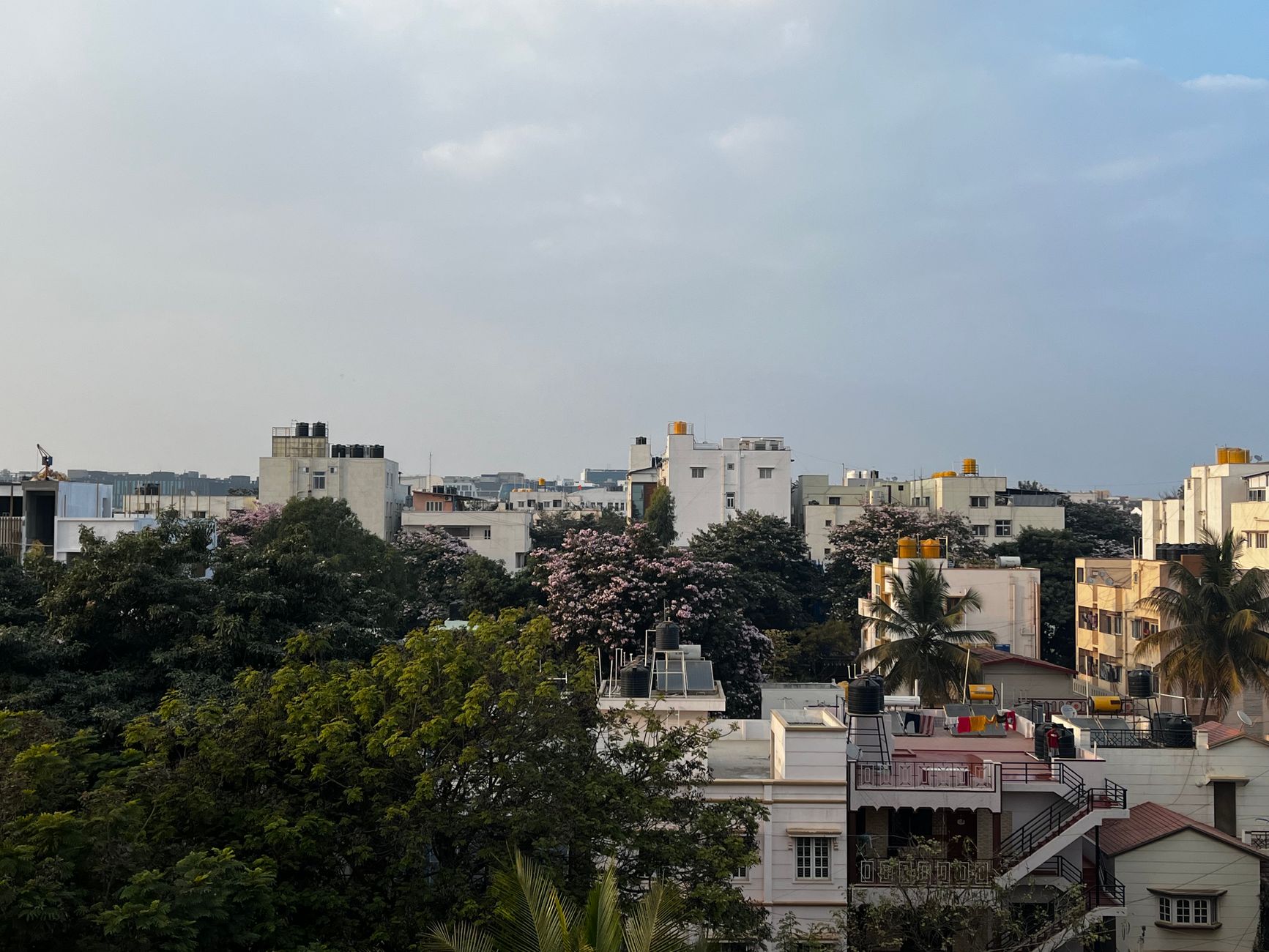
Bruhat Bengaluru Mahanagara Palike is sitting on a digital timebomb. Thousands of property records in the city's Sakala-linked land registry system carry duplicate, swapped, or corrupted survey photographs, errors that have already stalled home loan applications, triggered disputes at the Sub-Registrar's offices on Cunningham Road and Rajajinagar, and left buyers unable to complete title transfers. The Karnataka government acknowledged the scale of the problem in June 2026, directing the Revenue Department and BBMP to jointly audit digitised records across all eight administrative zones by September 30.
The timing is not accidental. Karnataka's ambitious move to integrate land records under Bhoomi 2.0, a state-wide digitisation programme, accelerated between 2023 and 2025, pulling in decades of hand-drawn survey maps and paper-based khata documents. Speed created slippage. When scanned images were batch-uploaded, automated tagging systems mismatched plot photographs across adjacent survey numbers in dense urban clusters like Whitefield, Hebbal, and parts of HSR Layout. A property owner in Sector 7 of HSR Layout might find their building photograph attached to a plot two streets away, and vice versa.
The Audit Machinery and Its Gaps
BBMP's property tax division has been tasked with cross-checking physical site photographs against Bhoomi 2.0 records for roughly 22 lakh properties within the Bruhat Bengaluru limits. The work requires field surveyors to re-photograph disputed parcels and upload geo-tagged images through the Bhoomi portal, a process that, for a single ward, can take three to four weeks depending on staffing. The department has divided the city into 243 wards, and as of early July, ward-level verification had been completed for fewer than 30 of them, according to figures the Revenue Department shared with the Legislative Assembly's Standing Committee on Urban Development in late June.
The immediate pressure point is bank finance. Scheduled commercial banks, including branches of Canara Bank and State Bank of India along MG Road and Brigade Road, have internally flagged that image discrepancies trigger mandatory hold periods under RBI's Know Your Collateral guidelines, effectively freezing mortgage processing for affected properties. A home loan application caught in this limbo can be delayed by 45 to 90 days, a serious problem for buyers in Bangalore's mid-market segment, where average apartment prices in Whitefield crossed Rs 85 lakh in early 2026.
The Karnataka Revenue Department faces three overlapping decisions over the next three months. First, whether to outsource the image re-verification work to a private geospatial firm, a move that could accelerate the audit but raises concerns about data security for sensitive cadastral records. Second, whether to create a temporary grievance mechanism, separate from the existing Sakala portal, specifically for duplicate-image complaints, allowing affected property owners to flag errors without waiting for the ward-by-ward sweep. Third, and most consequentially, whether to legally pause contested property transactions in wards where verification is incomplete, or to allow transfers to proceed with a caveat notation, a choice that splits legal opinion in Bangalore's property bar.
What Property Owners Should Do Now
Citizens with pending sales, purchases, or loan applications should take three concrete steps immediately. Pull the Bhoomi Record of Rights, Tenancy and Crops, the RTC extract, for your survey number directly from the Bhoomi portal and compare the attached photograph against a current photograph of the actual site. If there is a mismatch, file a written complaint at the jurisdictional Deputy Commissioner's office, for most of central Bangalore, that is the DC Office on Ambedkar Veedhi, and obtain a written acknowledgment with a Sakala reference number. That number creates a paper trail and, crucially, gives banks a basis to process loans under an exception category rather than a blanket hold.
The Confederation of Real Estate Developers' Associations of India, Bangalore chapter, has urged the state government to publish a ward-by-ward verification status dashboard by August 1 so that buyers and sellers can make informed decisions rather than discovering problems mid-transaction. Whether that dashboard materialises on schedule will be the clearest early signal of how seriously the administration is treating the crisis. The September 30 audit deadline is firm on paper. In Bangalore's bureaucratic calendar, firm deadlines have a way of moving.