lifestyle
Community-Driven Mental Health Initiatives Transform Bangalore Neighborhoods
As Bangalore grapples with rising mental health concerns, neighbourhoods like Indiranagar and Jayanagar reveal how community-driven initiatives offer solace and resources.
How we reported this
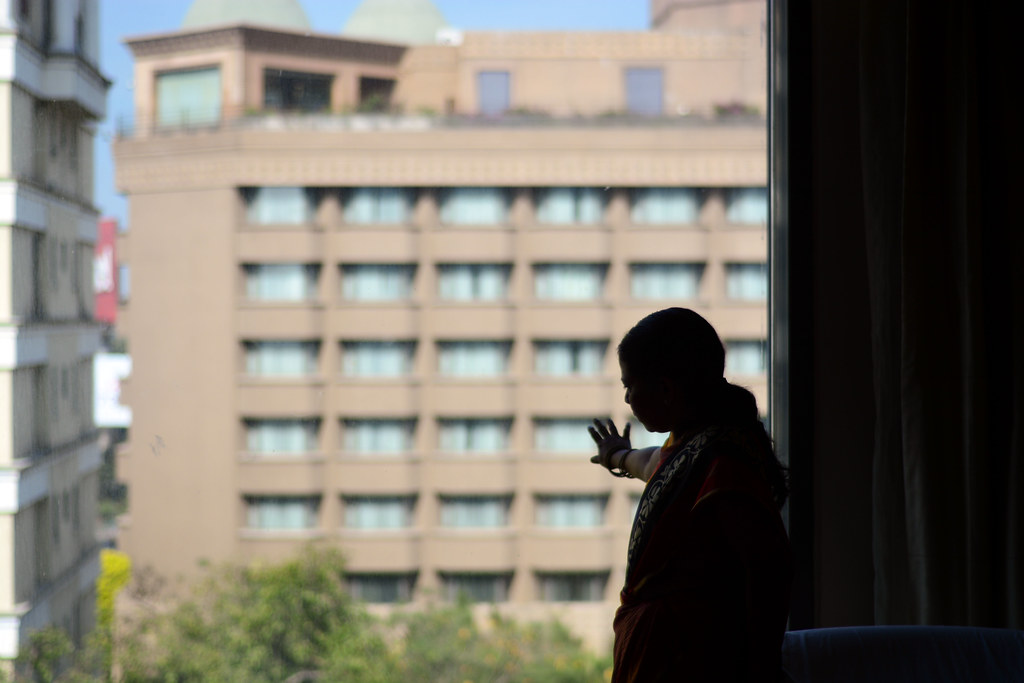
Bangalore's growing awareness of mental health is increasingly shaped by the unique character and spirit of its neighbourhoods. In areas like Indiranagar and Jayanagar, community centres and grassroots programs have become critical hubs for mental wellbeing, blending local culture with accessible support.
This focus comes amid recent data from the Karnataka State Mental Health Authority indicating a 25% increase in demand for mental health services in Bangalore since early 2025. Factors such as urban stress, the pandemic's lingering effects, and economic shifts have intensified the urgency for neighbourhood-based support systems.
Local Anchors of Mental Wellness
Indiranagar, known for its youthful energy and cultural events, houses the MindKind Foundation’s wellness centre on 12th Main Road. This centre offers affordable counselling and group therapy sessions starting at ₹600 per hour. Unlike clinical hospitals, MindKind integrates art therapy workshops and yoga practices tailored to the neighbourhood's dynamic community.
Jayanagar, one of Bangalore’s older residential hubs, introduces a contrasting but complementary vibe. The Nimhans Community Outreach Program, based near 4th Block, focuses heavily on educating locals in schools and apartment complexes about early signs of mental health issues and destigmatising therapy. Weekly meditation groups in the Jayanagar 9th Block Park further reflect the community’s emphasis on mindfulness rooted in everyday life.
Data Reflecting the Community Impact
According to the Bengaluru Urban District Mental Health Report (June 2026), 38% of patients seeking help at local community centres like MindKind and Nimhans initiatives preferred community-based mindfulness and peer support over hospital treatment. Additionally, the average wait time for appointments at these neighbourhood centres remains under a week, a significant improvement compared to nearly a month at citywide hospitals.
This rapid access relates directly to the neighbourhood vibe-people attending sessions often report feeling safe and understood, surrounded by familiar faces and a less clinical environment. The report also notes a 15% higher rate of treatment adherence from patients engaged in such community programmes.
Pricing transparency and flexible fee structures offered by these centres encourage broad participation. MindKind’s policy to waive fees for students and economically disadvantaged residents ensures the support remains inclusive, supporting the diverse Bangalore population.
Looking Ahead: Deepening Neighbourhood Roots for Mental Health
Bangalore’s mental health landscape is set to further decentralise over the next year, with local NGOs planning to expand community outreach to neighbourhoods such as Koramangala and Malleshwaram, where similar grassroots energy is evident. These expansions will include mobile counselling units and peer facilitator training to enhance accessibility.
For residents seeking help, experts suggest engaging first with local community centres before hospital resources. Getting involved in group sessions like those at Jayanagar Park or attending wellness talks at Indiranagar’s lifestyle cafes can also help build supportive social networks critical for mental wellbeing.
As Bangalore continues to grow, these neighbourhood-driven models illustrate a hopeful blueprint for how cities can respond effectively to mental health challenges-by weaving support into the everyday fabric of community life.