culture
Bengaluru's Hidden Historical Figures Shape City's Cultural Identity Today
Bengaluru's documented milestones highlight figures and events that continue to shape local cultural understanding.
How we reported this
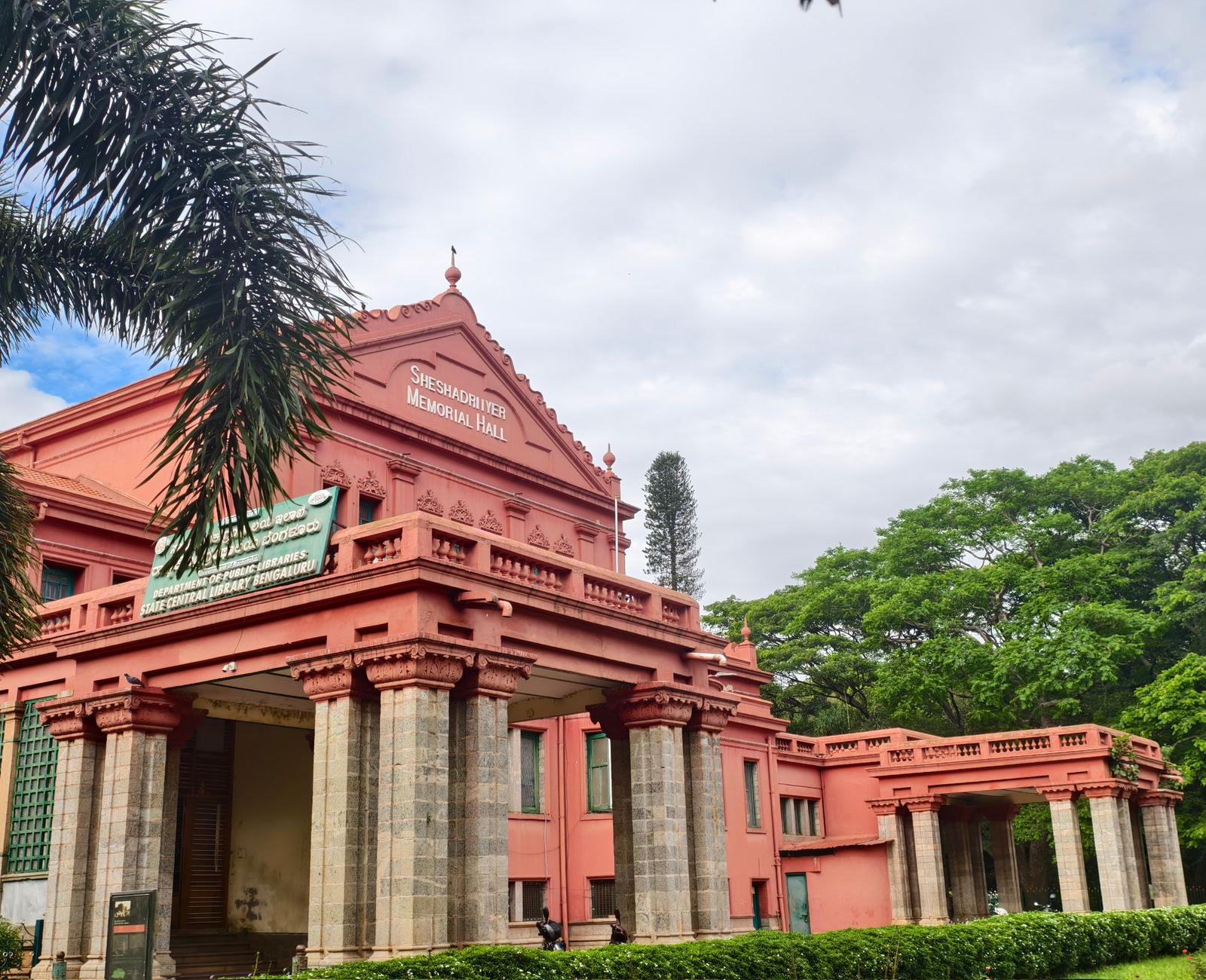
Bengaluru's recorded modern history began in 1537 when Kempe Gowda I, a chieftain under the Vijayanagara Empire, built a mud fort and named it Bengaluru. This founding moment stands as a primary reference point for tracing the city's development through specific documented actions and locations.
Kempe Gowda I and the 1537 Foundation
The establishment of the mud fort by Kempe Gowda I provides a concrete starting date for modern records. Details from this period connect directly to the Vijayanagara Empire's regional influence and offer a baseline for examining subsequent changes in the area.
Name Origins and the 517 CE Inscription
The city's name likely originates from legends of Bendakaluru, described as the town of boiled beans. The oldest known inscription dates back to 517 CE in Begur, near the Silk Board junction, supplying an earlier marker that predates the fort construction and anchors discussions of linguistic and settlement patterns.
1906 Hydroelectric Milestone at Shivanasamudra
Bengaluru was the first city in India to receive hydroelectric power in 1906, sourced from a plant in Shivanasamudra. This specific technological introduction supplies a dated example of infrastructure that altered daily operations and remains referenced in accounts of the city's growth.
Roman Coins and Trade Evidence from 1891 and 1965
Roman silver coins bearing the faces of Augustus, Tiberius, and Claudius were discovered in Bangalore in 1891 and 1965. These finds indicate ancient trade links through physical artifacts recovered at particular times, adding material evidence to narratives about early connections.
Trigonometrical Survey and the Panchalingeshwara Temple
The city is India's first location for a trigonometrical survey and contains the Panchalingeshwara temple in Begur, dated around 1100 CE, noted as the oldest temple in South India. These elements supply fixed references for mapping and religious history that emerging local researchers continue to examine through site visits and records.
Exploration of these dated facts supports ongoing attention to primary sources. Residents and researchers can review the listed details at locations such as Begur and references to Shivanasamudra to build further understanding without requiring new inventions.
References Sourced but Not Limited to:
- newindianexpress.com · Shining a spotlight on bengalurus history 2157898
- newindianexpress.com · Unravelling citys hidden heritage 2066589
- vacationindia.com · Bengaluru a modern metropolis with an ancient history
- thrillophilia.com · Historical places in bangalore
- thesouthfirst.com · Bengaluru the rise fall and resurgence of a historic city
- fabhotels.com · Historical places in bangalore
- bengaluruurban.nic.in · History
- en.wikipedia.org · History of Bengaluru